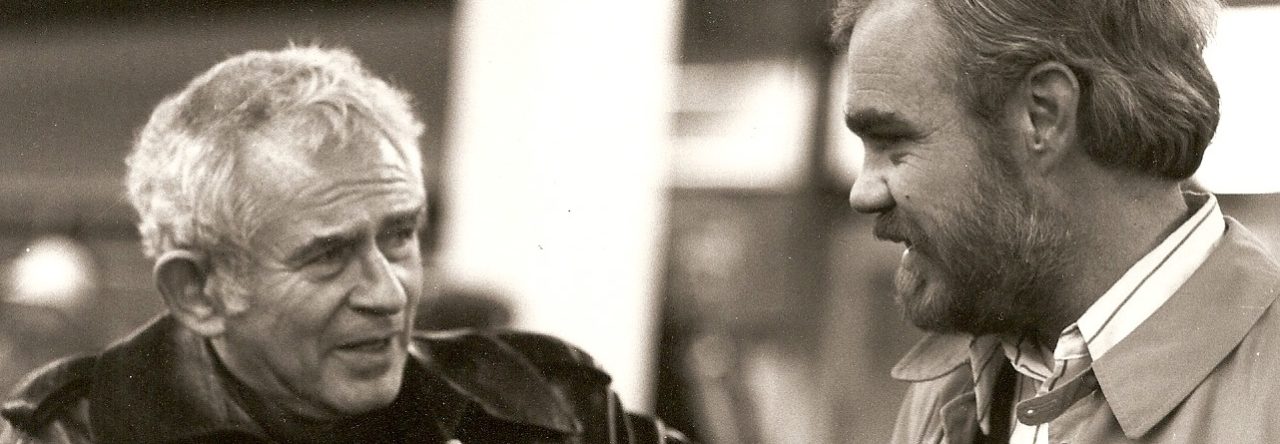
A larger-than-life personality, Norman Mailer was a force to be reckoned with in his personal life—he knew many, many people—and as a voice in the American literary canon between WWII and the beginning of the twenty-first century. Any writer of a serious biography of Mailer who hopes to contain the excesses of the man within the covers of a book must know that since Mailer in his own lifetime grated on people’s taste and nerves, he could easily grate on the reader, even when presented within the pages of a biography. Lennon, authorized by Mailer before his death to write the definitive life treatment, performs a great task, letting Mailer’s obnoxiousness have free rein in balance with the biographer’s easygoing narrative style, which coaxes the reader into accepting and even enjoying all sides of Mailer—gregarious, notoriously thin-skinned, grandly egotistical, and monstrously talented. Understanding Mailer is only half the object of this welcome biography; its other intention is for readers to be enticed into reading or rereading Mailer’s works. ~Brad Hooper
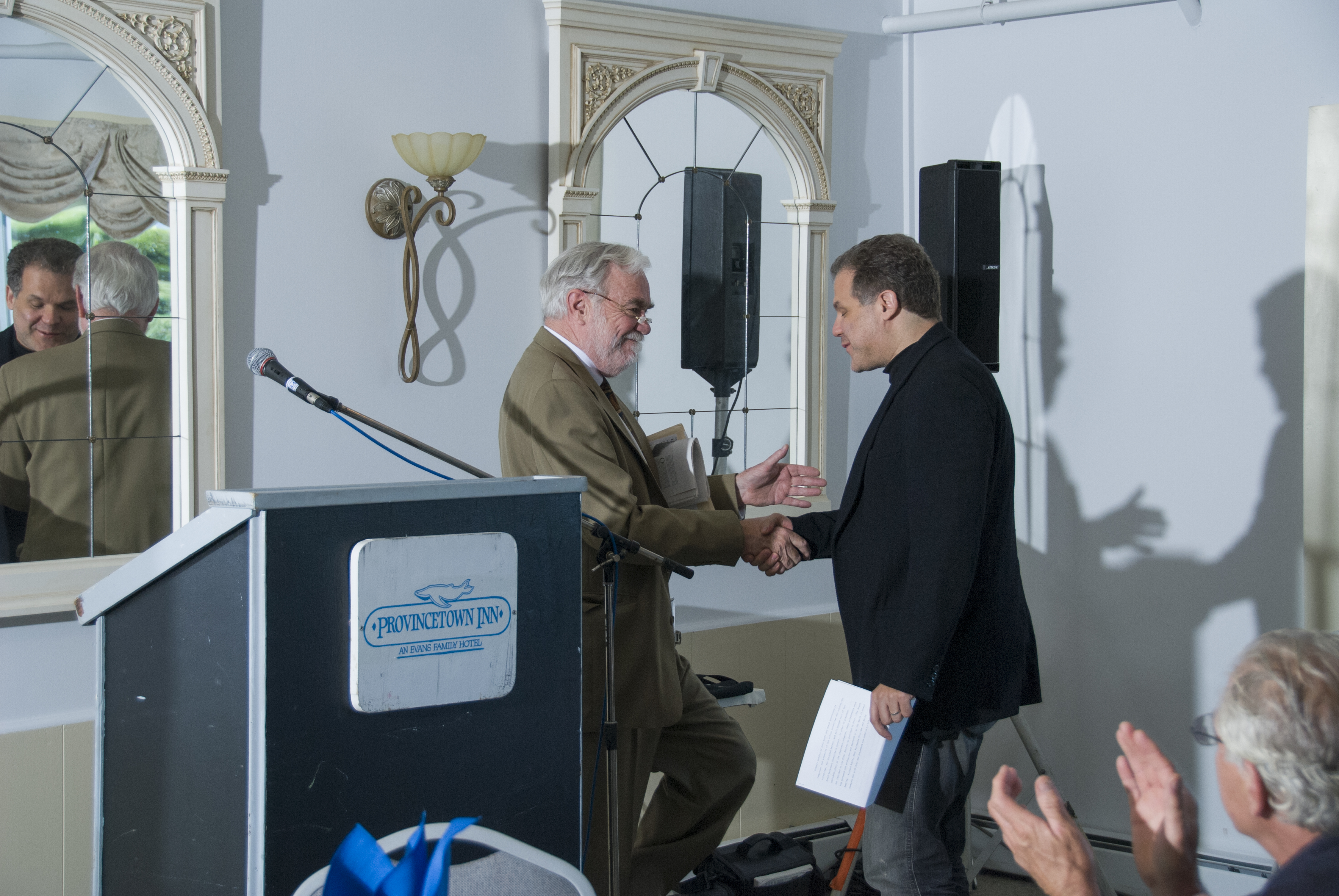
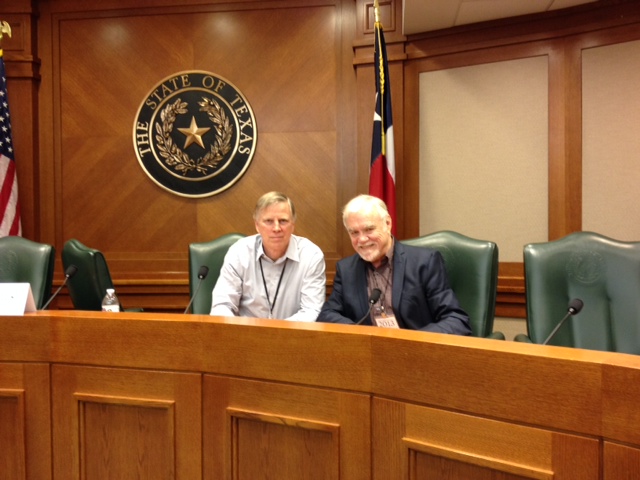
Greg Curtis and Mike in Austin
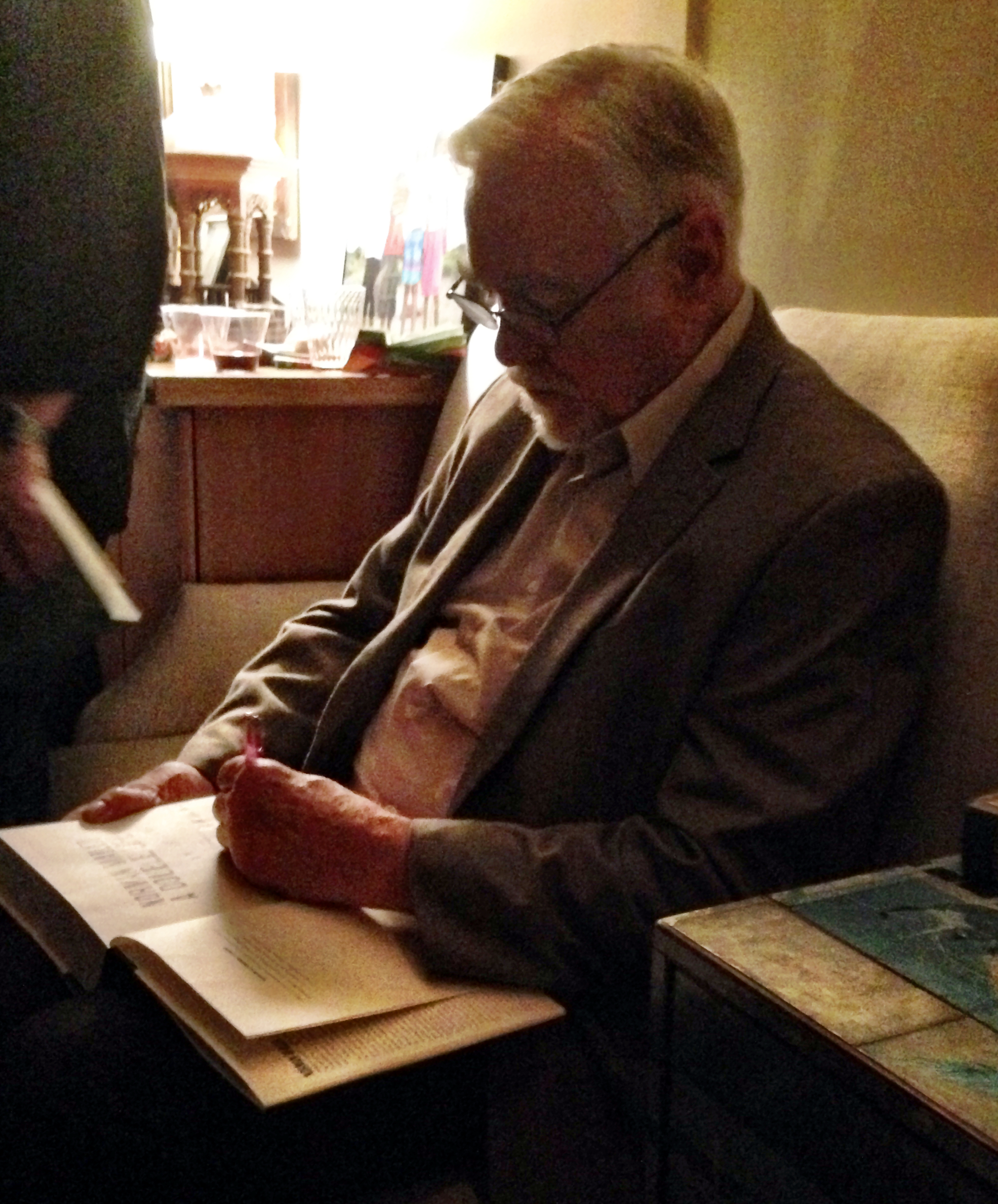
At the Mailer apartment in Brooklyn on October 15. Photo by Frank Nastasi.
On the afternoon of 10 April 2007 I was on a plane over the Atlantic watchingInfamous, one of the films about Truman Capote. It contains a scene where Truman and his frightful swans are discussing the Clutter family murder case. ‘Weren’t you scared going into their cells?’ asks Babe Paley (played by Sigourney Weaver), speaking of the murderers while sipping a martini and purring for the Upper West Side.
‘Well,’ he says, ‘it’s not as frightening as meeting Norman Mailer.’
Mailer was a generous friend who was known for helping younger writers and giving freely of his time and experience. He mellowed with age and ended famous feuds with Gore Vidal, William Styron and others. He had a big life, and Lennon’s biography is a big book, 947 pages and compulsively readable.
It could be said that Norman Mailer was a man and a writer halfway between fame and infamy and yet with little in the way of middle ground. He was, in varying combinations, a world-class drinker, feuder, provocateur, self-mythologizer and anti-feminist. He was a war protester, a mayoral candidate, a co-founder of The Village Voice, as well as a wife stabber, a serial husband (of six wives), and a father (of nine). He was a boxer, an actor, a filmmaker, a poet and a playwright. He was also a journalist and a novelist of enormous and singular narrative inventiveness and thrust, a two-time Pulitzer Prize winner, and one of the least boring and most tireless and tiresome public figures of the last half of the 20th century.
“I knew Mailer’s books the way Southern Baptists preachers know the Bible.”
When Norman Mailer spoke, you paid attention. Whether he was standing on a stage and speaking for an hour — without notes — on writing, or art, or politics, or in a manic monologue around a dinner table, or in a chance encounter on the sidewalks of New York or in an airport, you listened. Especially if you grew up idolizing him, as many of us did.
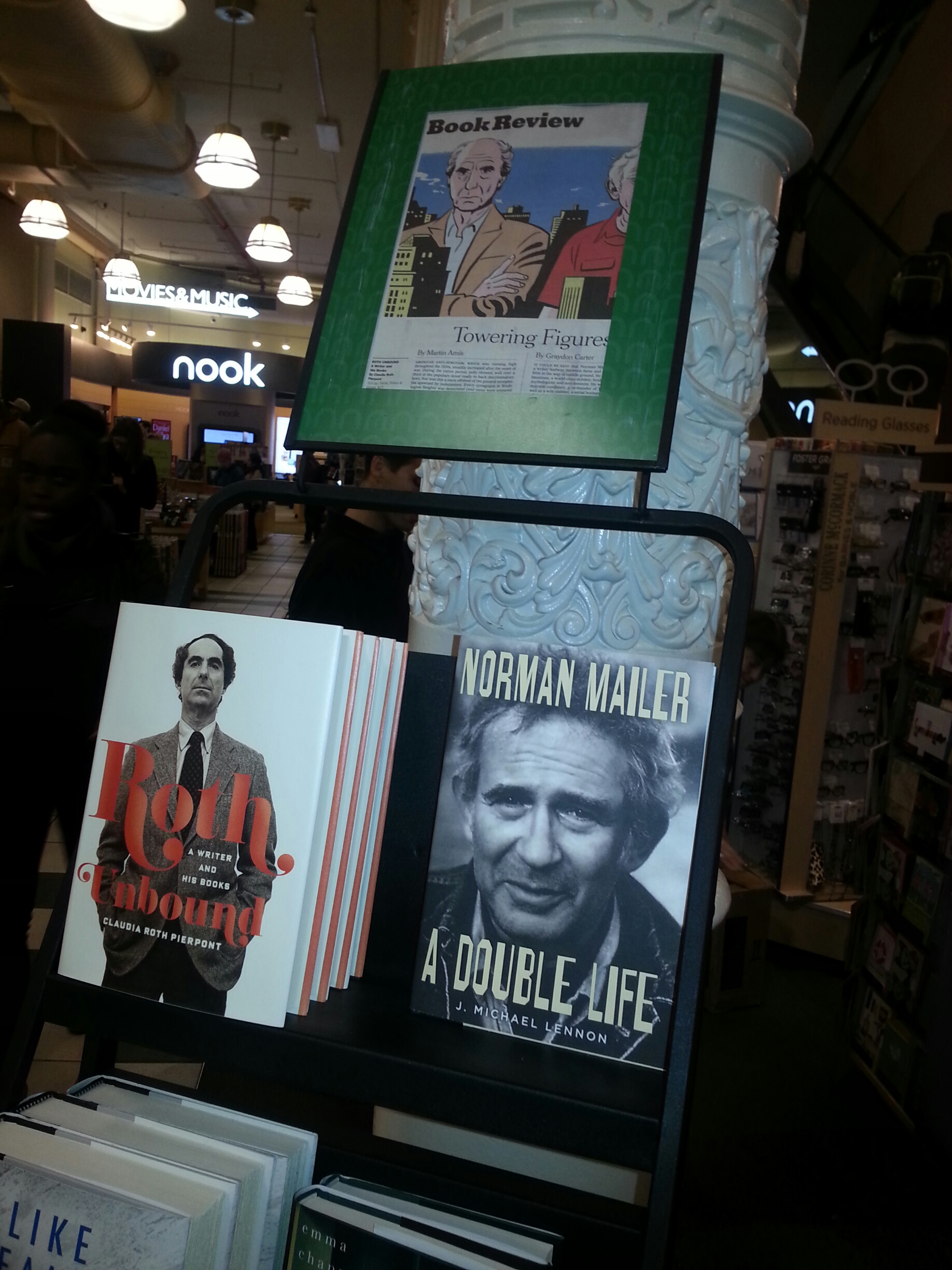
Photo by Stephen Borkowski