J. Michael Lennon

Archivist, Biographer, Educator

Remembering John T. “Ike” Williams

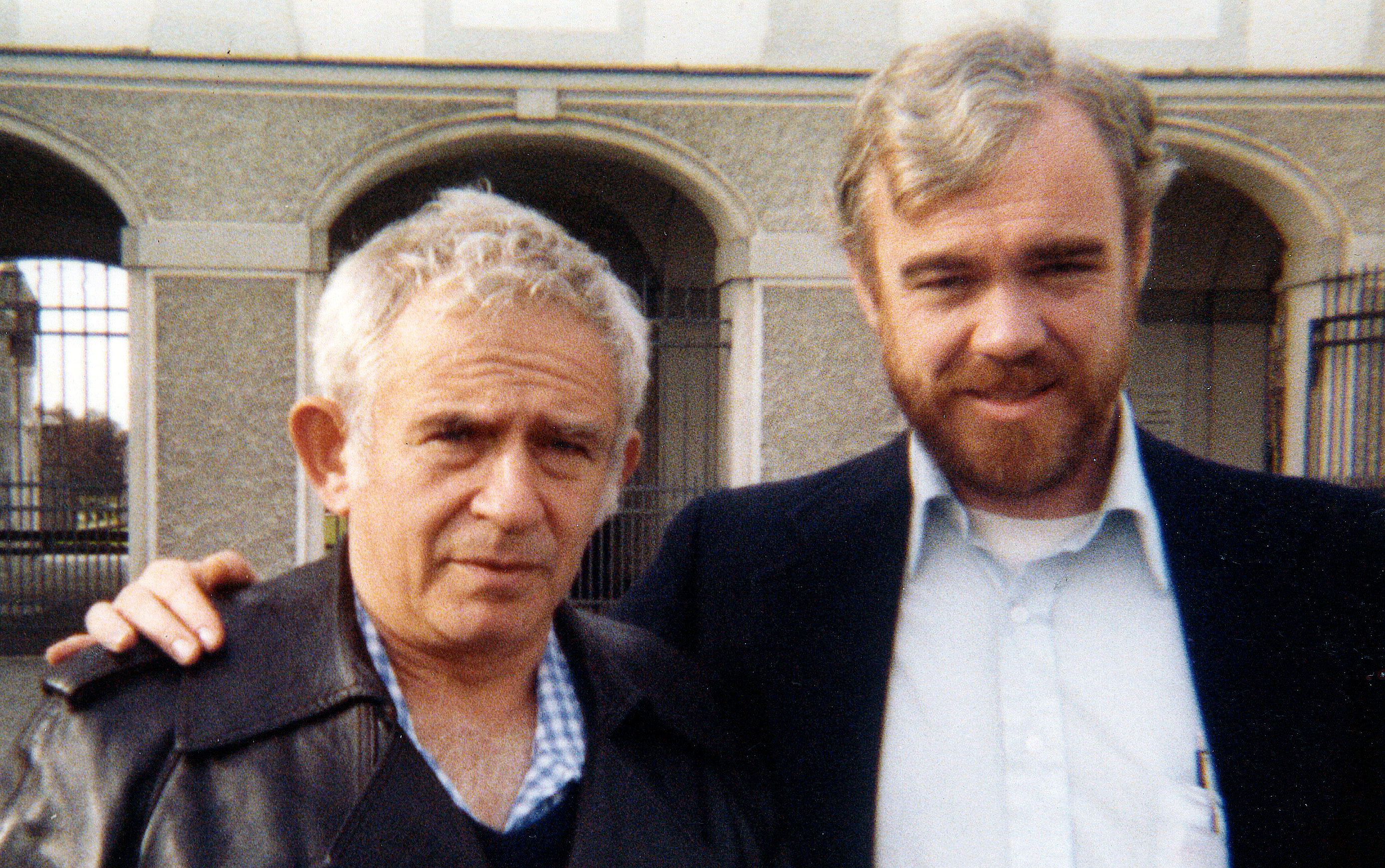
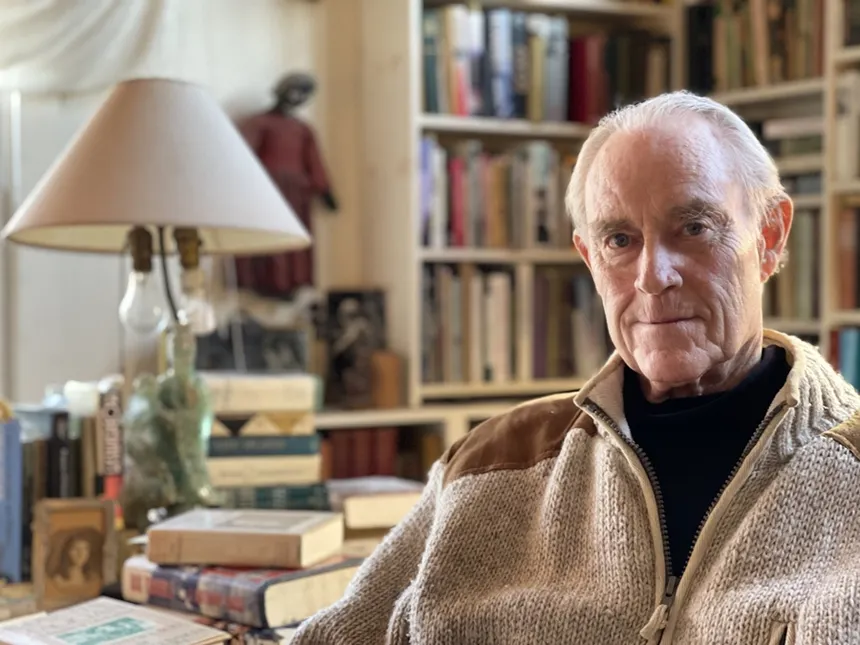
Nine months before his death November 2007, Norman Mailer recommended John T. “Ike” Williams as the best agent to sell Mailer’s biography, the book I’d not yet begun to write. Ike was Norman’s friend going back to 1978 when he was legal counsel at Mailer’s then-publisher. Little, Brown. 

In my interview with Ike for Norman Mailer: A Double Life (2013), which he ushered to publication, he recalled his meetings with Mailer in Little, Brown’s Boston offices in 1979. They got off to a good start because they were both Harvard grads, and also serious boxing fans who had done some amateur boxing. Ike, got his nickname from another boxer, Isiah “Ike” Williams. He had seen the original “Ike,” lightweight champ from 1945-51, box several times at Madison Square Garden in the late 1940s and early 50s, as had Mailer. 
Middleman of American Letters

A portrait of Malcolm Cowley and his famous authors

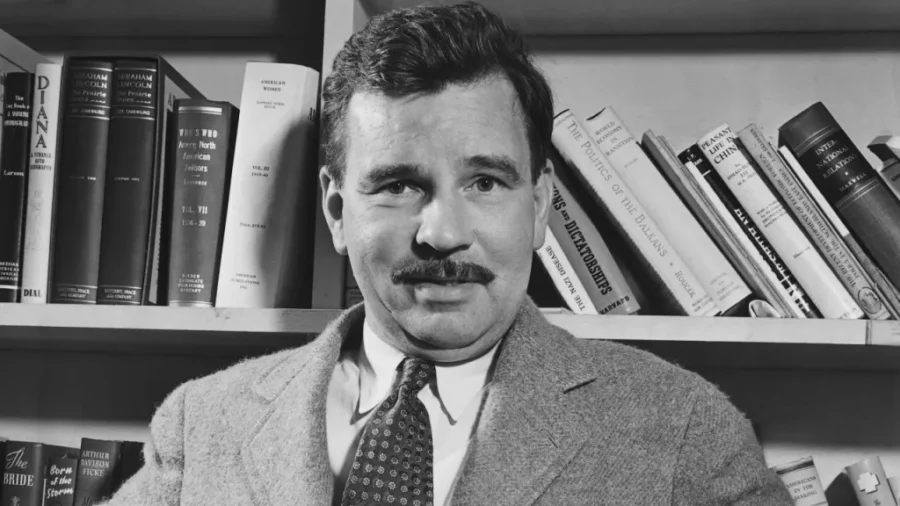
Gerald Howard’s The Insider is a crowded but colourful portrait of Malcolm Cowley, poet, editor and chronicler of the so-called Lost Generation – those American exemplars of literary modernism who, like Cowley, lived in Europe after the First World War, and fill out his memoir of the period, Exile’s Return (1934). Cowley edited the New Republic from 1929 to 1944 and founded the League of American Writers in 1935, but ran afoul of the House Un-American Activities Committee in 1942. After the war, Cowley became an editor at Viking Press, the chancellor of the American Academy of Arts and Letters, and a professor of creative writing at Stanford University, all while contributing a slew of essays and articles to the New Yorker, the Atlantic, the New Republic and many other journals.

A Daughter’s Biography of a Biographer Father

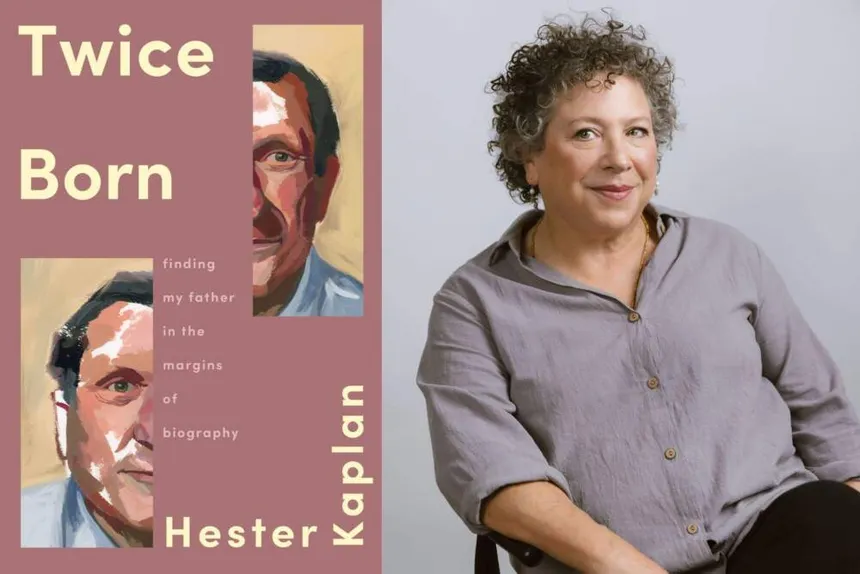
Review of Twice-Born: Finding My Father in the Margins of Biography

By Hester Kaplan | Catapult, 2025, $27


Hester Kaplan’s book is a generic puzzler: should it be shelved with biography, literary criticism, or autobiography? It’s about half of each. But it’s also a life-and-times account with wedges of social history. If it eludes categories, it is because the author’s motives are complex. She carefully unravels the tangle of talent, research, guilt, grit, and circumstance that resulted in Mr. Clemens and Mark Twain (1966) by her father, Justin Kaplan, who died in 2014. She also  presents a privileged point of view on  his education, family, residences, finances, Jewishness, and his and his novelist wife Anne Bernays’s place at the top of the artistic and professional community of Cambridge, Massachusetts. They were also presences on Cape Cod, and spent summers in Truro for decades. Their daughter’s book focuses on his profound identification with Mark Twain, but also depicts his successful marriage to a successful novelist, his oblique relationships with his three daughters (same number as Twain), and his agonizing and recalcitrant eczema that is the sign and symbol of the seven-year struggle to write his canonical biography, winner of the National Book Award and a Pulitzer. Undergirding everything is her scrupulous depiction of her father’s unabated ambition, one which mirrors Twain’s, and also her own. His ambition was to reanimate Twain, to become his incarnation. It took a toll. Hester states that he was more “fully engaged” with Twain’s daughters than he was with his own. 

Mike on WRKF

J. Michael Lennon on WRKF: Remembering Norman Mailer and the Origins of The Naked and the Dead

On November 11, 2025, J. Michael Lennon joined Talk Louisiana (WRKF 89.3) for a conversation that balanced literary history with personal memory. Appearing alongside segments featuring Elizabeth Pfifer and Piper Hutchinson, Lennon closed the broadcast with reflections on Norman Mailer—novelist, journalist, World War II veteran, and one of the central figures in postwar American letters. The interview previews themes that continue to animate Lennon’s ongoing work as Mailer’s authorized biographer and archivist.

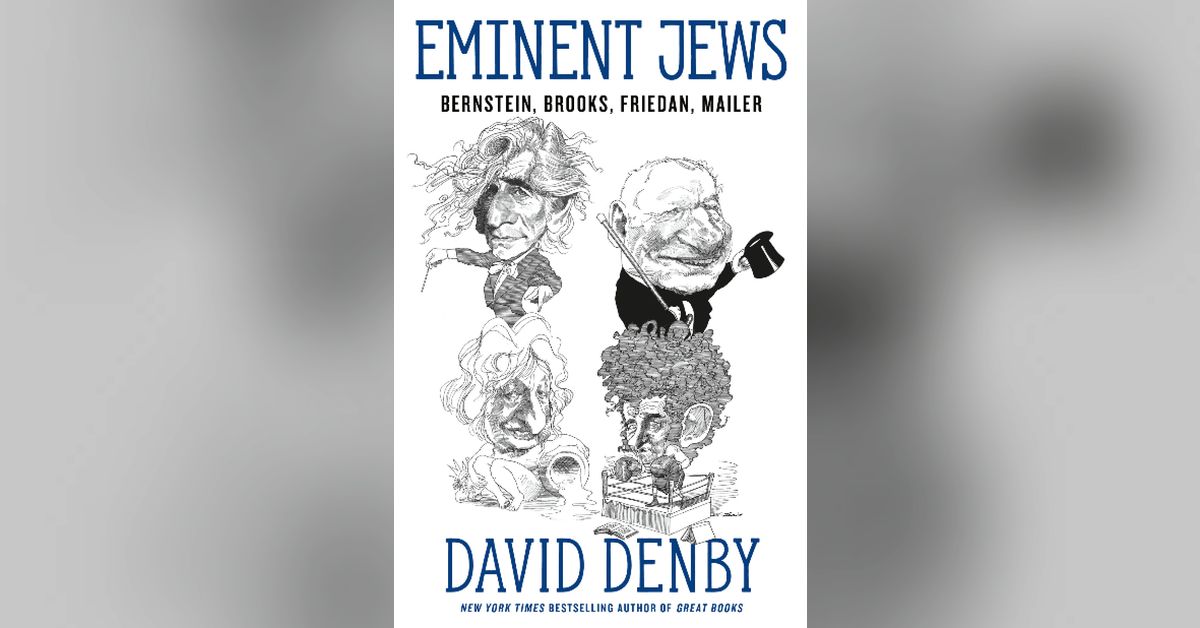
Review of “Eminent Jews”

David Denby took on quite a job of work when he decided to depict the lives of four famous 20th-Century Americans: Leonard Bernstein, Mel Brooks, Betty Friedan, and Norman Mailer in Eminent Jews (Henry Holt and Co.; April 2025).

Read the entire review.

Mike Interviewed on WVIA

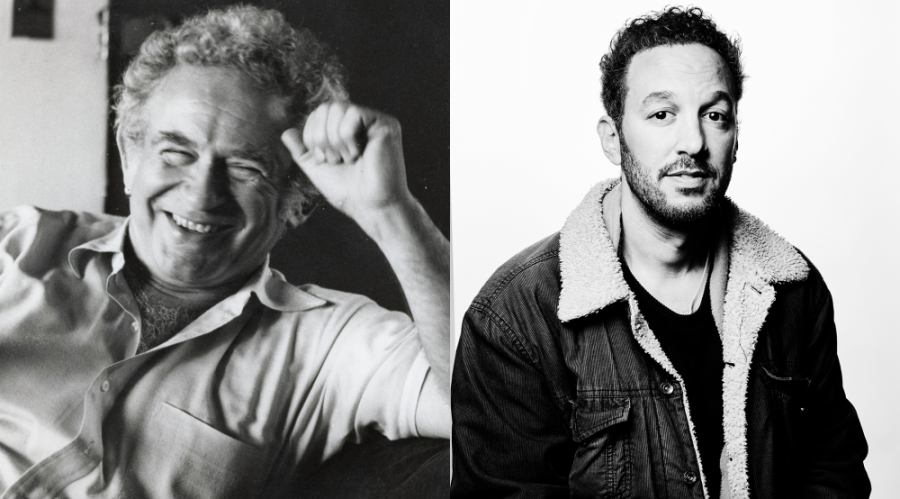
J. Michael Lennon, Emeritus Professor of English at Wilkes University in Wilkes-Barre and authorized biographer of Norman Mailer: Norman Mailer: A Double Life issued by Simon & Schuster, speaking about the recently released work by Mailer titled, Lipton’s: Mailer’s Marijuana Journal: 1954-55 co-edited with Gerald R. Lucas and Susan Mailer. Also about a recent documentary, How to Come Alive with Norman Mailer by Jeff Zimbalist and released by Zeitgeist Films.

The Majesty of the Mailer Experience

Owen Gleiberman has posted a review of Jeff Zimbalist’s documentary How to Come Alive with Norman Mailer on Variety. Gleiberman writes:

Norman Mailer is the kind of writer people now tend to look at and appraise by saying, “He could never get away with that today.” And maybe that’s true. In Mailer’s case, however, the that they’re referring to could be any of the following things: his confrontational public statements; his misbehavior on talk shows; his ardent bad-boy meditations on subjects like sexuality and violence; his propensity to drink and drug and fight (he liked to literally butt heads with people at parties); and great lyrical swaths of his writing.

Forget what Mailer could or could not get away with today. He was feeding the fire of controversy and provocation 50 and 60 years ago; even then, he was considered a figure of singular outrage. Yet it was all part of his mission to make a difference in his time, to wake us all up — to what was happening in society (not just the busy surface but beneath it), to how the government and the corporation were working in cahoots to perfect a new brand of authoritarianism (something he was explicitly onto in — yes — 1948), to the secrets and mysteries we were living inside. When Diana Trilling, the venerable lioness of a literary critic, declared Mailer to be “the most important writer of our time,” she wasn’t kidding around.

Read the rest on Variety.

Mike at Documentary Premiere

Mike will join Jeff Zimbalist and Michael Mailer at the premiere of How to Come Alive with Norman Mailer for a question and answer session on Saturday, June 29, 2024 at the Film Forum. For more information and to purchase tickets, see the Film Forum web site.

The Archivist’s Apprentice

This essay is an account of how I became the archivist, and ultimately, the authorized biographer of Norman Mailer, including brief profiles of my mentors, Dr. Nancy Potter, and Dr. Robert F. Lucid, and Mailer himself. The process of creating the Mailer Archive, now located at the Harry Ransom Center at the University of Texas-Austin, is presented at some length as is my friendship with Lucid and Mailer.

Read the essay in Volume 6 of Lifewriting Annual: Biographical and Autobiographical Studies.

MLD Now on Audible

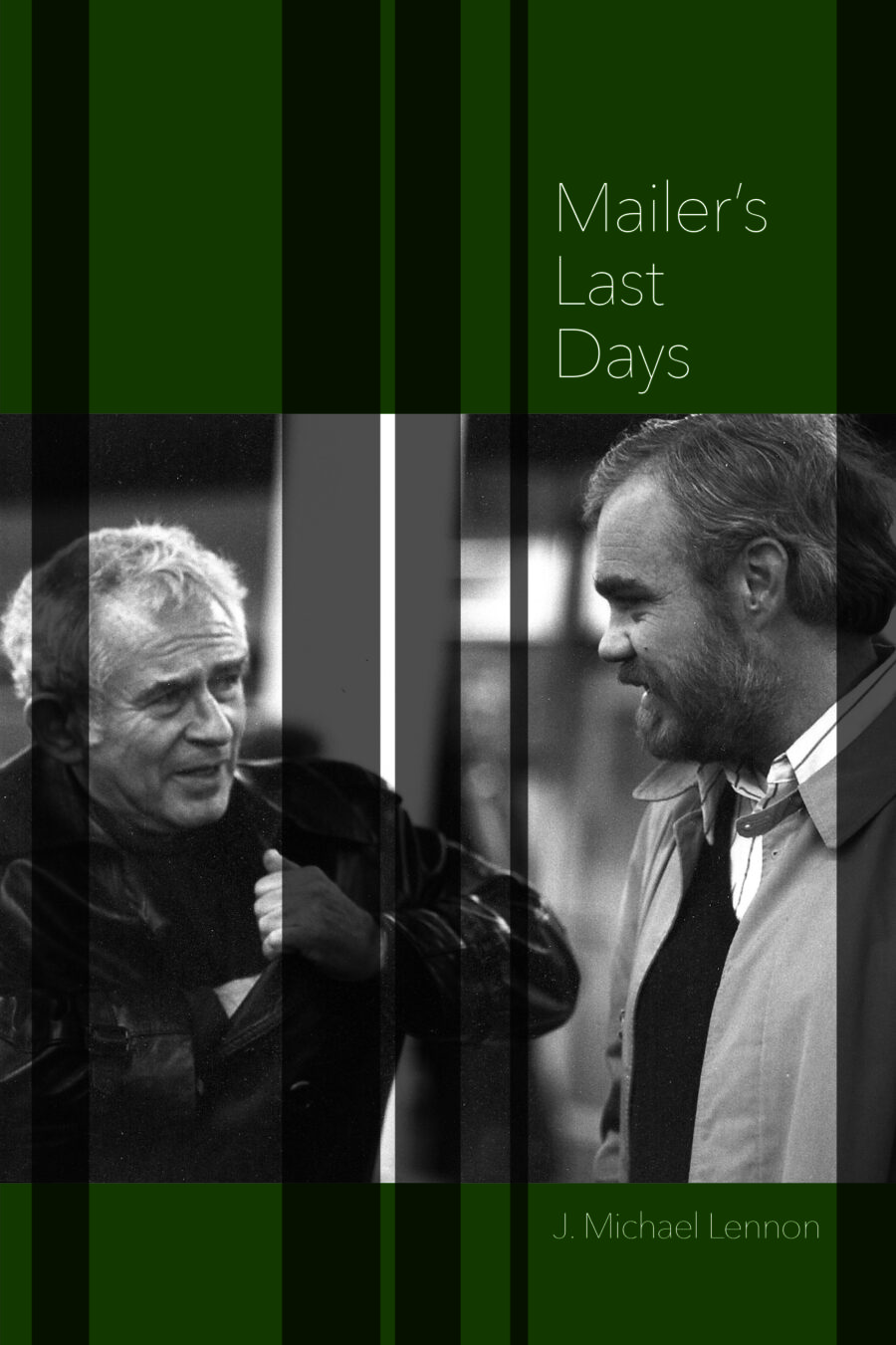
Mike’s memoir Mailer’s Last Days: New and Selected Remembrances of a Life in Literature is now available as an audiobook through Audible.

Page 1 of 37

Powered by WordPress & Theme by Anders Norén